Just How To Review A Coa Peptide Screening Guide
Certificate Of Evaluation Coa
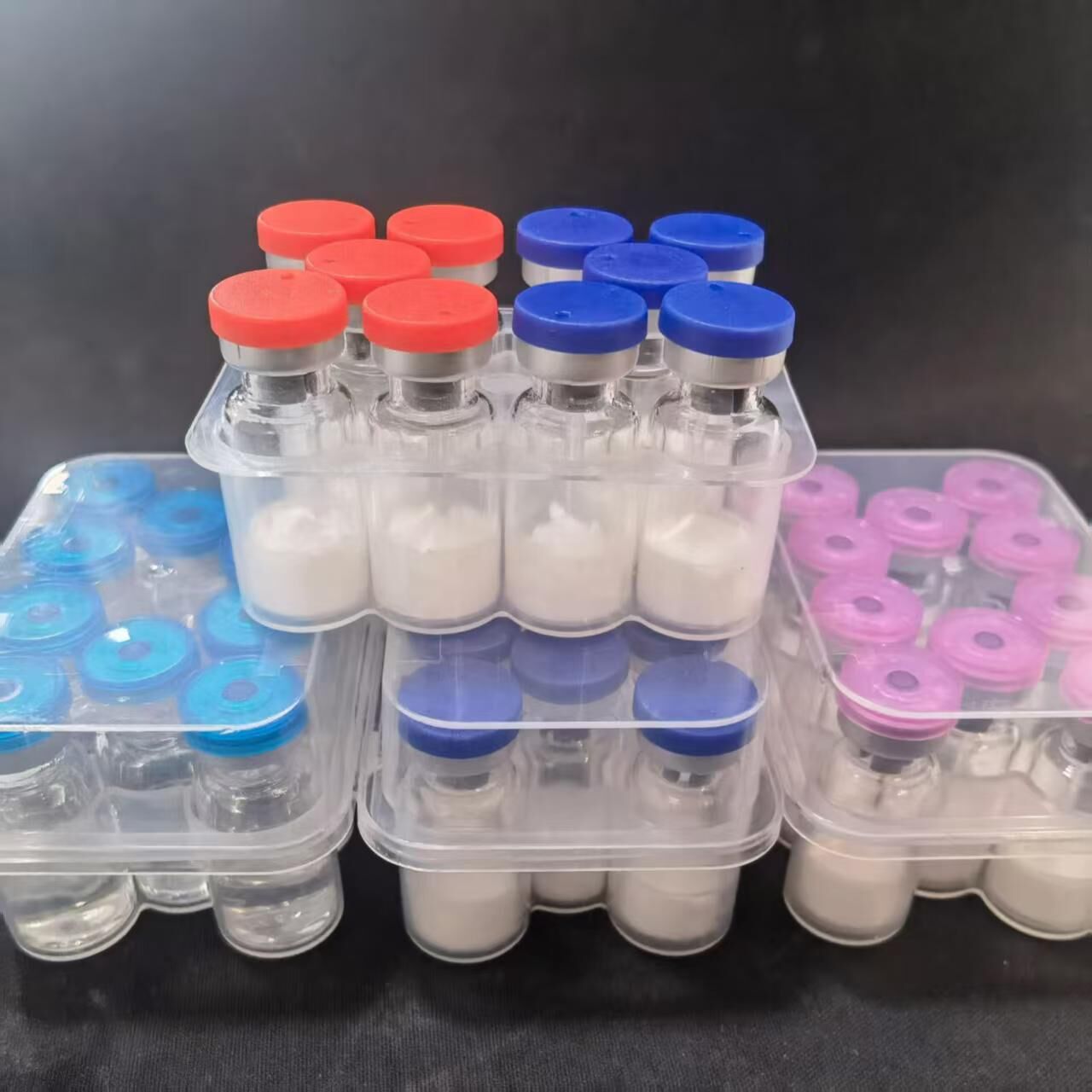
- Even a small trouble in structure could alter how a peptide behaves in tests.
- At Peptidessource, we understand the importance of getting it right from the beginning.
- The record works as your main quality assurance tool in an industry where regulative oversight continues to be restricted and product quality differs dramatically between distributors.
- In the context of research peptides, the COA gives proof that logical testing was carried out and that measurable features of the substance were documented.
HPLC can aid explain purity, while LC-MS can include helpful identity-related context when readily available. HPLC, or High-Performance Liquid Chromatography, is just one of the most usual logical approaches utilized in peptide documents. In basic terms, it assists demonstrate how much of the sample looks like the major substance compared to various other obvious parts in the chromatographic account. This is why HPLC is often made use of to report pureness percents on a peptide COA. It is important to understand that a COA is just useful when it is total, readable, and linked to the exact product being sold. A paper with missing out on days, uncertain approaches, or no batch reference offers customers much less confidence in the traceability of the material.
Additionally, pureness levels are thoroughly analyzed utilizing high-performance liquid chromatography. This makes sure that the compound fulfills the essential focus levels for research applications. To improve security, our COAs also include microbial and heavy steel screening.Can A High Purity Portion Be Misinforming?
Each batch is made under rigorous quality assurance with recorded procedures at every action. Products provided by Peptides Resource are not approved by the U.S . These items have actually not been evaluated by the FDA for security, efficacy, medical diagnosis, therapy, prevention, or cure of any condition or clinical condition.Inquiries Regarding Our Testing?

Yes, slight variant in purity can happen between sets and between various analytical examinations. Peptides are usually analysed using HPLC (High Efficiency Fluid Chromatography), which gauges purity based on chromatographic peak location under certain problems. If you are searching for research-grade peptides with clear, batch-specific documentation, Peptides Skin provides item transparency developed to sustain even more educated sourcing choices. Buyers can examine readily available item information, consisting of COA-related documents, directly through our magazine before positioning an order. For that reason, lots of purchasers view HPLC and LC-MS together as a more powerful documents combination than either approach alone.
Why Third-party Screening Is Essential
Legitimate laboratories preserve testing records and can verify authenticity when offered with batch numbers and screening days. Amino acid evaluation (AAA) measures the private amino acids existing after total hydrolysis of the peptide. This strategy verifies that the correct amino acids are present in appropriate proportions, offering extra identity confirmation beyond mass spectrometry. The product identification section specifies the peptide name, molecular formula, molecular weight, and Chemical Abstracts Service (CAS) number when appropriate. Numerous distributors of lab-tested peptides and third-party examined peptides release COAs to demonstrate openness regarding their screening processes. These reports enable researchers to assess analytical proof as opposed to relying exclusively on descriptive item information. Most COAs that flow in the research peptide market are practically compliant and practically useless. Understanding the difference between a COA that passes the list and one that verifies what you are actually holding is the ability this guide covers. For the underlying laboratory methods, see our peptide purity testing resource.Ends · CODYCCKK215