Nextday Peptides: Coa Collection For Study Peptides
How To Read A Certification Of Evaluation Coa For Peptide Research Study
Mass spectrometry determines the molecular mass of chemical compounds. In peptide analysis, this method assists confirm whether the found molecular weight corresponds to the anticipated peptide structure. The majority of COAs note the analytical technique used to determine purity or verify identity. These approaches may include chromatographic or spectrometric strategies typically utilized in analytical chemistry.The testing approach supplies context for just how the reported dimensions were gotten. The Nextday Peptides study peptide COA library provides immediate accessibility to third-party verified Certificates of Analysis for box items throughout our complete magazine.- However, periodic minor variant below this limit can take place and still represents a premium item within accepted sector requirements.
- Recognize the fundamental parts of peptides, their distinction from healthy proteins, their relevance in organic research, and a lot more.
- At Arizona Peptides, openness and uncompromised quality are at the core of everything we do.
- In the world of clinical study, precision and reliability are essential to producing accurate results.
Certifications Of Analysis (coas)
Aspects such as column type, solvent gradient, detection wavelength, calibration criteria, and example preparation can all affect the last reported purity. Also when testing the same material, various research laboratories might produce somewhat various results as a result of these variables. A COA is a crucial file, but it ought to not be the only factor purchasers make use of when assessing a research peptide vendor. It is additionally vital to consider just how the supplier provides product details throughout the web site. A supplier-issued COA can still be useful when it is batch-specific, readable, and consistent with the product being marketed. The website vital question is whether the record offers sufficient clearness and traceability for buyers to examine it with self-confidence.
What Our Coas Include
Bigger inconsistencies (or results reported only at the ± 0.1% degree) recommend possible identity concerns, tool constraints, or degradation calling for further examination or supplier call. Search accreditation data sources preserved by companies like A2LA, ILAC, or regional matchings. Contact the lab straight making use of independently acquired get in touch with details to validate they executed the specified testing.
HPLC can help explain pureness, while LC-MS can include helpful identity-related context when readily available. HPLC, or High-Performance Liquid Chromatography, is just one of one of the most usual analytical approaches utilized in peptide documentation. In basic terms, it assists show how much of the sample looks like the primary compound compared to various other noticeable parts in the chromatographic account. This is why HPLC is typically utilized to report pureness percentages on a peptide COA. It is very important to understand that a COA is only beneficial when it is full, legible, and linked to the precise item being offered. A paper with missing dates, unclear methods, or no batch reference gives purchasers less confidence in the traceability of the material.Evaluation Cart
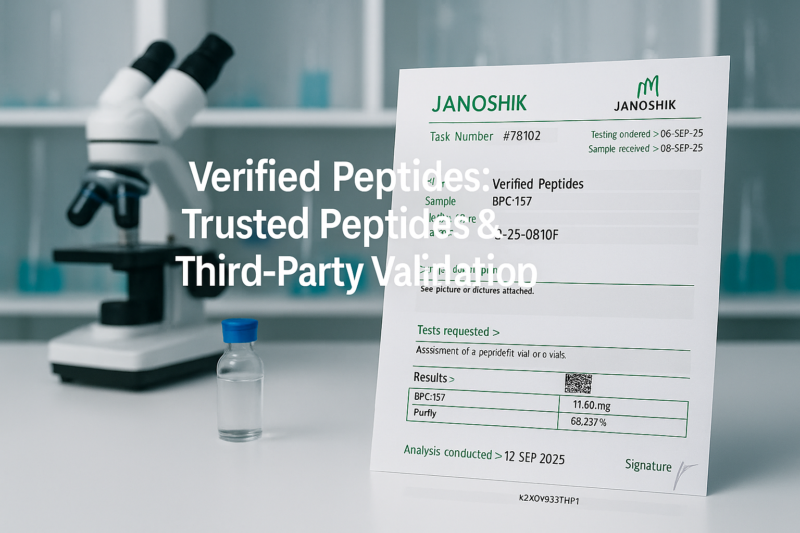
Pureness measurements for research study peptides are usually determined using logical approaches such as high-performance fluid chromatography. These techniques different chemical parts in an example so labs can assess obvious molecular signals. Mass spectrometry assists verify the molecular identification of peptide study compounds by comparing determined mass signals with anticipated molecular weight. The reported purity suggests the proportion of the detected compound relative to various other obvious elements in the example.
The International Council for Harmonisation (ICH) Q3C standards develop appropriate limitations for recurring solvents based upon their toxicity classifications. Course 1 solvents need to be avoided entirely, Class 2 solvents have details concentration limitations, and Course 3 solvents are taken into consideration much less toxic with greater acceptable levels. TFA, typically utilized in peptide synthesis, normally shows up at degrees listed below 1% in correctly detoxified items.By staying educated and reading each CoA carefully, we give ourselves much more control over our research. Clear testing, proper handling, and great documentation assistance keep work concentrated and trustworthy, not just in January, but all year long. Teams that intend to stay clear of mix-ups likewise compare crucial areas on the paper with their own notes, like validating appearance, weight, or the whole lot number.
Ends · CODYCCKK215